
Best affordable smart watches for men usually come down to one question: which features will you actually use every day, and which ones look good on a spec sheet but add cost. If you want notifications, workouts, sleep tracking, and decent battery, you can get there without paying flagship money.
The hard part is sorting “cheap” from “good value.” Many budget models nail one thing, like battery life, but compromise on app support, GPS accuracy, or long-term updates. And if you’re switching from a classic watch, comfort and styling matter more than people admit.
This guide gives you a practical way to choose, plus a shortlist of strong options by need and phone type, a comparison table, and a quick buying checklist so you can decide fast and feel good about it.
What “affordable” really means for smartwatches (and what you give up)
In the U.S. market, “affordable” usually sits under the premium tier, where the watch still feels dependable but cuts cost in a few predictable places. That tradeoff can be totally fine, as long as it matches how you use a watch.
- Build and display: You might see thicker bezels, simpler glass, or lower brightness outdoors.
- Sensors: Heart-rate and sleep tracking can be solid, but advanced features like ECG or skin temperature trends are less common at lower prices.
- GPS and workout metrics: Some rely on “connected GPS” (your phone), which works, but isn’t as clean for runs without your phone.
- Software longevity: Cheaper models may get fewer updates, and companion apps vary a lot in polish.
- Smart features: Calling, voice assistants, and third-party apps can be limited depending on platform.
According to the Federal Trade Commission (FTC), a good baseline for buying tech online is focusing on total cost and return terms, which matters here because comfort and screen size often look different in real life than in product photos.
Quick comparison table: strong picks by phone and priorities
This table doesn’t pretend there’s one winner. It’s built around the decisions most men actually make: phone compatibility, battery expectations, fitness vs. “smart” features, and comfort for all-day wear.
| Pick (example models) | Best for | Why it works | Watch-outs |
|---|---|---|---|
| Apple Watch SE (2nd gen) | iPhone users wanting the smoothest experience | Strong notifications, great app ecosystem, solid health basics | Battery often needs daily charging, no always-on display |
| Samsung Galaxy Watch FE or Galaxy Watch series on sale | Android, especially Samsung phones | Good blend of smart features and fitness, nice display | Battery varies, some features best inside Samsung ecosystem |
| Garmin Forerunner (entry models) / Vivoactive line | Runners and training-first buyers | Reliable GPS, training metrics, long battery | Fewer “phone-like” apps, UI less flashy |
| Amazfit GTR/GTS line | Battery-focused, casual fitness tracking | Often multi-day battery, light and comfortable | Smaller app ecosystem, smart replies can be limited |
| Fitbit Charge / Versa series (when discounted) | Simple health tracking and habit building | Easy-to-read health summaries, good for daily basics | Some features may require subscription, depending on model |
How to choose: the 6 decisions that save you money
If you want the best affordable smart watches for men, the easiest “hack” is deciding what you do not need. Most overspending comes from paying for features that sound cool but don’t survive week two.
- Phone match: iPhone buyers usually get the least friction with Apple Watch. Many Android watches work across brands, but features can vary.
- Battery expectations: If daily charging annoys you, prioritize multi-day models even if they’re less “smart.”
- Fitness depth: Casual gym sessions need basics, serious training benefits from better GPS and recovery metrics.
- Screen vs. comfort: Bigger screens read better, but they catch on sleeves and can feel heavy.
- Calls and voice: If you truly take calls on-wrist, confirm speaker/mic quality and whether LTE costs extra.
- Subscription tolerance: Some brands gate advanced insights behind a paid plan.
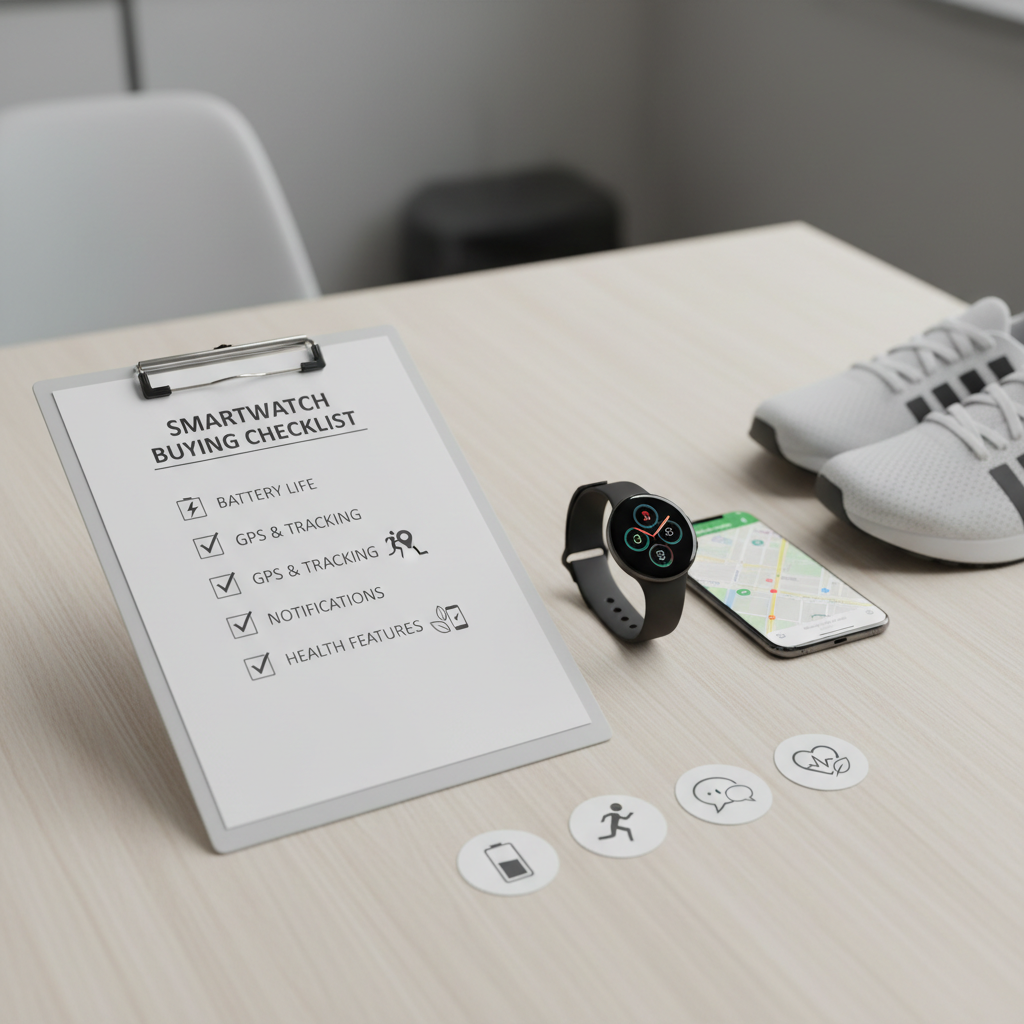
Key takeaway: pick two “must-win” categories (example: battery + GPS, or notifications + comfort). If a watch is mediocre at both, it rarely feels like a deal.
Shortlist: best options by real-world use case
Prices move constantly, especially around major sales, so think of these as “buy when it hits your budget” targets. Many models become affordable at the right moment.
For iPhone users who want the smoothest daily smartwatch
- Apple Watch SE (2nd gen): the usual value pick for notifications, calls, safety features, and reliable apps.
- Older Apple Watch models (refurbished): can be a good deal, but check battery health and return terms.
If you want the most seamless experience with iOS, this is still the lane where affordable feels “premium enough.” The main compromise is charging frequency.
For Android users who want balanced smart + fitness
- Samsung Galaxy Watch FE / discounted Galaxy Watch models: often strong value, especially with Samsung phones.
- Google Pixel Watch (on sale): best if you care about Google services integration, but battery expectations should be realistic.
With Android, the ecosystem isn’t one-size-fits-all, so it’s worth confirming which features require specific phones, accounts, or apps.
For battery-first guys who hate charging
- Amazfit and similar long-battery lines: often the easiest route to multi-day use with solid basics.
- Garmin lifestyle models: sometimes land in “affordable” territory during promos, with better training credibility.
This category is where you’ll most often trade away rich third-party apps, but you gain day-to-day peace.
For running and structured training on a budget
- Garmin entry Forerunner: typically a safer bet for GPS consistency and training tools.
- Coros entry models (if available at your price point): can be strong for battery and running focus, depending on model.
According to the American Heart Association (AHA), wearables can support physical activity habits, but they’re not a substitute for medical evaluation. If you use heart-rate metrics to guide training intensity, treat the numbers as directional, and ask a professional if you have health concerns.
Self-check: are you buying for the right reasons?
This is the quick “sanity list” I’d use before you hit Buy. If you answer “no” to several, you may be shopping from anxiety, not need, and that’s how budgets get blown.
- Will you wear it at least 5 days a week, including workdays?
- Do you want notifications on-wrist, or is your phone already enough?
- Do you work out consistently enough to care about trends, not single readings?
- Are you okay charging daily, or do you want 3–10 days between charges?
- Do you prefer a classic watch look, or a sporty design?
- Do you need NFC payments, or is it just a “nice to have”?
Rule of thumb: if your main goal is “motivation,” prioritize comfort and battery, because a dead watch or an annoying band kills the habit fast.
Practical buying tips: how to get the best deal without getting burned
Finding the best affordable smart watches for men is as much about buying strategy as it is about specs. These steps reduce regret more than another hour of review videos.
- Time your purchase: big discounts often show up around Prime Day-style events, back-to-school, and holiday sales, but brand-specific promos can be just as good.
- Consider refurbished, carefully: stick to reputable sellers, confirm battery/return policy, and check what “refurbished” means for that retailer.
- Prioritize return window: comfort issues show up after a few days, not in the first five minutes.
- Budget for the band: a better strap can transform a cheap-feeling watch, and it’s usually less expensive than upgrading the whole device.
- Check app ratings and update history: the companion app is half the product, especially for sleep and health insights.
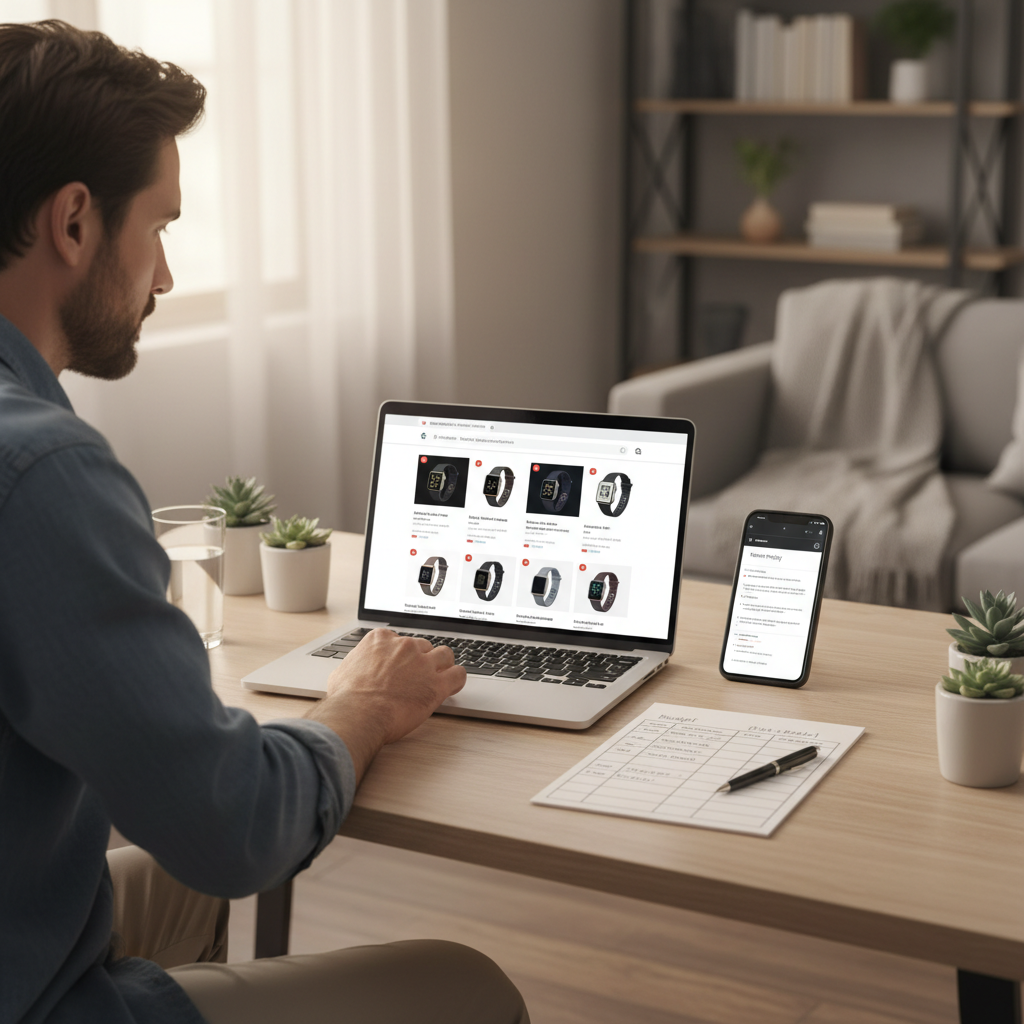
Also, watch sizing is underrated. If you have smaller wrists, many “men’s” models can look oversized; a lighter case often feels more premium over a long day than an extra millimeter of screen.
Common mistakes (that make an affordable watch feel expensive)
- Buying for one rare feature: LTE, ECG, or niche sports modes sound great, but if you don’t use them weekly, you paid for clutter.
- Ignoring phone compatibility details: some watches can connect to any phone, but the best features might not.
- Chasing max specs on paper: a slightly weaker screen with better comfort and battery can win in real life.
- Assuming sleep scores are medical: sleep tracking can be useful for patterns, not diagnoses, consult a professional if you have ongoing concerns.
- Forgetting ongoing costs: bands, subscriptions, and potential replacement chargers add up.
Conclusion: a smarter way to pick your watch
The best affordable smart watches for men are the ones that match your phone, fit your wrist, and do the 2–3 things you rely on without drama. If you want the cleanest iPhone experience, lean Apple Watch SE. If you want training tools and battery, Garmin-style options often make more sense. If you just want long battery with solid basics, brands like Amazfit can be a practical win.
Action step: write down your two must-haves and your one dealbreaker, then use the table above to narrow to two models, buy from a retailer with an easy return policy, and test comfort for a full workday before you commit.