
Best wireless earbuds for small ears come down to fit geometry more than hype, because if the seal breaks you lose bass, comfort, and call clarity in one shot.
If earbuds constantly pop out, feel “too big,” or hurt after 20 minutes, you’re not picky, you’re dealing with ear anatomy that many one-size designs ignore. The good news is you can usually fix this with a mix of the right shape, the right tip size, and a couple small settings changes.
This guide focuses on what actually works for smaller ears: compact housings, shallow nozzles, lighter weight, and tip options that don’t require forcing a seal. I’ll also flag common buying traps, because many “small” earbuds are only small in marketing photos.
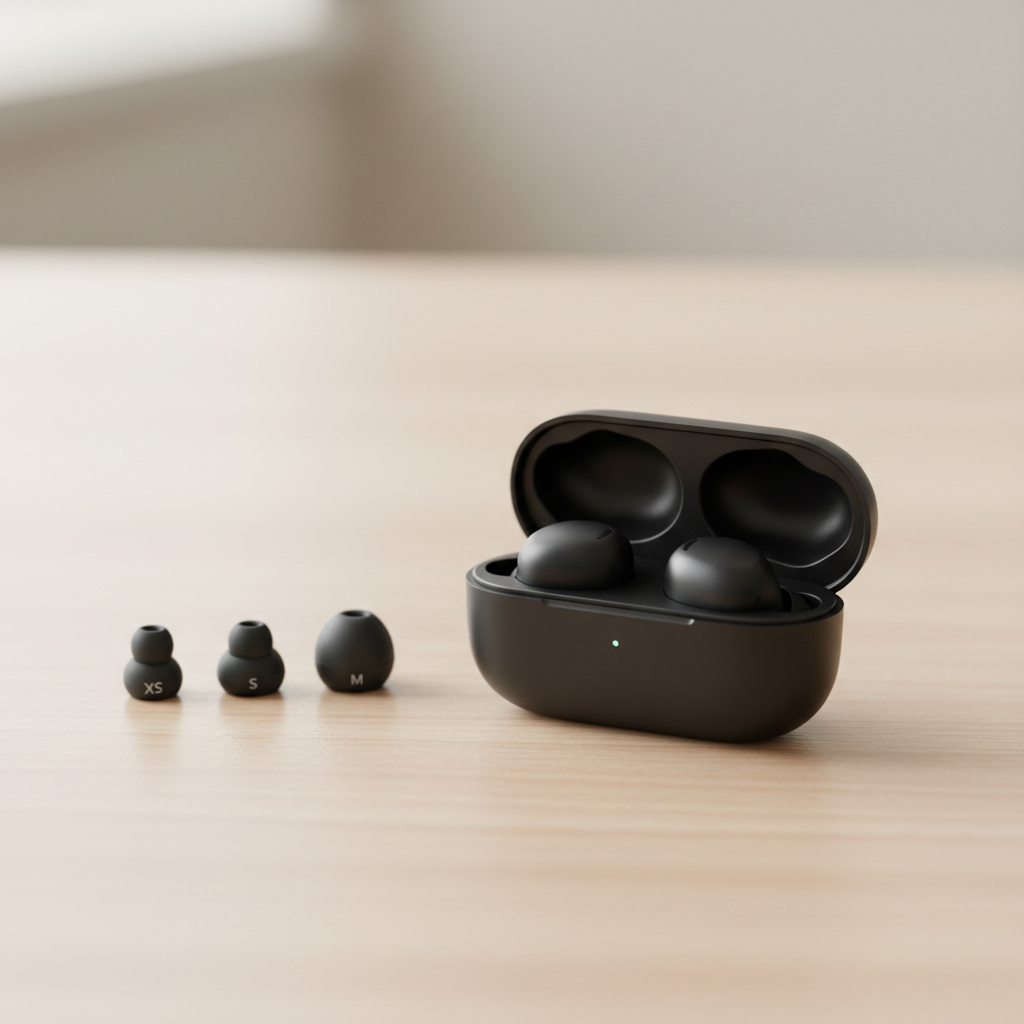
Why earbuds feel too big (and why “smaller” isn’t always better)
Most fit problems for small ears come from a few predictable design issues, not from you choosing the “wrong brand.” Once you know what’s happening, you can shop with intent.
- Housing is too tall or wide: it presses against the concha (the bowl of your ear), creating soreness fast.
- Nozzle is too long: it pushes deeper than comfortable, even with small tips.
- Wrong tip shape: some silicone flanges are thick and push outward, which small ear canals hate.
- Weight + leverage: a heavier bud with a long stem can rotate itself loose as you walk.
- Seal is unstable: you get “thin” sound, then you push the earbud in harder, which makes discomfort worse.
According to the American Academy of Otolaryngology–Head and Neck Surgery, ear canal shapes vary widely across people, so expecting one universal fit is unrealistic. For small ears, that variability shows up sooner.
Quick self-check: what type of small-ear fit problem do you have?
Use this to diagnose your situation in two minutes. The best wireless earbuds for small ears are the ones that solve your failure mode.
- They fall out during talking or chewing → tip is too small, or housing lacks stability points.
- They hurt at the ear canal → nozzle angle/length or tip firmness is the issue.
- They hurt on the outer ear → housing is too big, or stem/hook presses wrong spot.
- One ear fits, the other doesn’t → you probably need different tip sizes per ear (very common).
- Bass disappears when you move → seal is breaking, try different tip shape (foam often helps).
One practical rule: if you need to “jam” earbuds in to get bass, you’re fighting the design. You want a stable seal with gentle pressure.
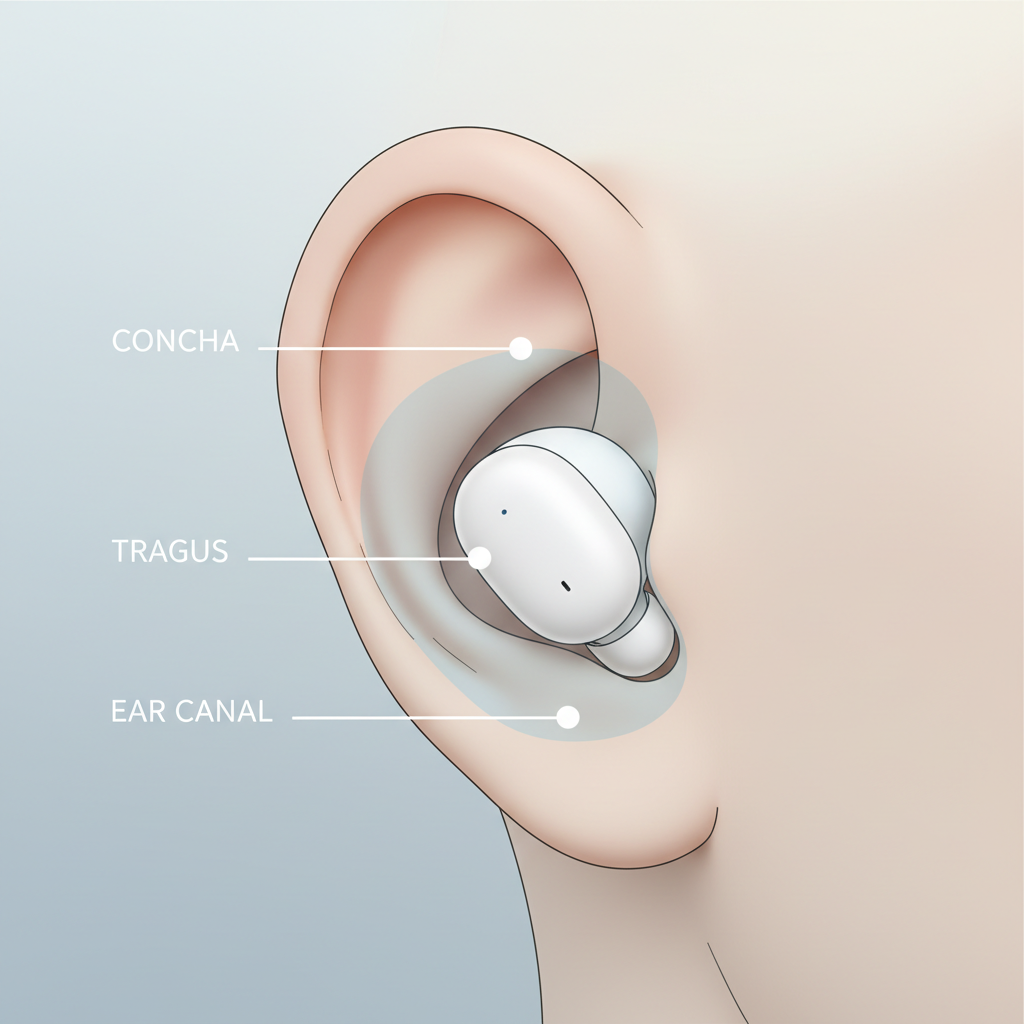
What to look for when buying (the fit specs that actually matter)
Product pages rarely say “small ears,” so you’re hunting for clues. These features usually correlate with a better small-ear experience.
Fit-friendly design cues
- Includes XS tips (not just S/M/L). If there’s no XS, budget for third-party tips.
- Compact body that sits inside the ear, not a large “bubble” that protrudes.
- Shallow nozzle or a nozzle that doesn’t flare aggressively.
- Multiple tip materials (silicone + foam options). Foam can improve seal without extra pressure.
- Stabilizers like fins, wings, or a small hook if you move a lot.
Features that help, but won’t fix poor fit
- Active noise cancellation: great when the seal is good, mediocre when it’s not.
- Spatial audio: fun, but fit and seal still decide comfort and bass.
- Multipoint Bluetooth: convenience feature, unrelated to small-ear comfort.
Shortlist: earbuds that often work well for small ears
I’m not going to pretend one list fits everyone, but these models are commonly mentioned for compact housings, lighter weight, or strong tip/support options. Treat this as a starting shelf, then verify return policies and tip sizes before committing.
| Model | Why it can suit small ears | Watch-outs | Best for |
|---|---|---|---|
| Apple AirPods Pro (2nd gen) | XS tips available, pressure relief venting, stable stem design | Fit varies if your outer ear is very small | iPhone users, calls + ANC |
| Jabra Elite 8 Active | Secure fit tuning, durable build, stays put during movement | Some ears still prefer foam tips | Workouts, sweat resistance |
| Sony LinkBuds S | Compact and light, often less pressure on small conchas | Tip choice matters a lot for seal | All-day wear, balanced sound |
| Bose QuietComfort Ultra Earbuds | Stability band system can help smaller outer ears | Earbud body is not the smallest | Strong ANC if fit works |
| Beats Fit Pro | Integrated wing helps lock-in without deep insertion | Wings can irritate some ears over long sessions | Gym + secure feel |
Shopping note: for best wireless earbuds for small ears, a generous return window is almost a feature. Fit is personal enough that “top-rated” doesn’t guarantee comfort for you.
Make almost any earbuds fit better: practical steps that work
Before you buy a new pair, try these. Many people get a big comfort upgrade with minor tweaks.
1) Do the “twist and settle” insertion
- Insert gently, then rotate slightly backward until the housing feels supported.
- If sound suddenly gets fuller without pain, you found a better seal position.
2) Mix tip sizes between ears
It’s normal for one ear canal to need an XS and the other an S. Don’t force symmetry if comfort and seal improve.
3) Try alternative tip types
- Foam tips: often help small ear canals because they expand to seal with less pressure. Keep them clean and replace when they lose rebound.
- Shorter silicone tips: reduce deep insertion feeling while keeping stability.
- Double-flange tips: can stabilize shallow canals, but may feel “too present” for some.
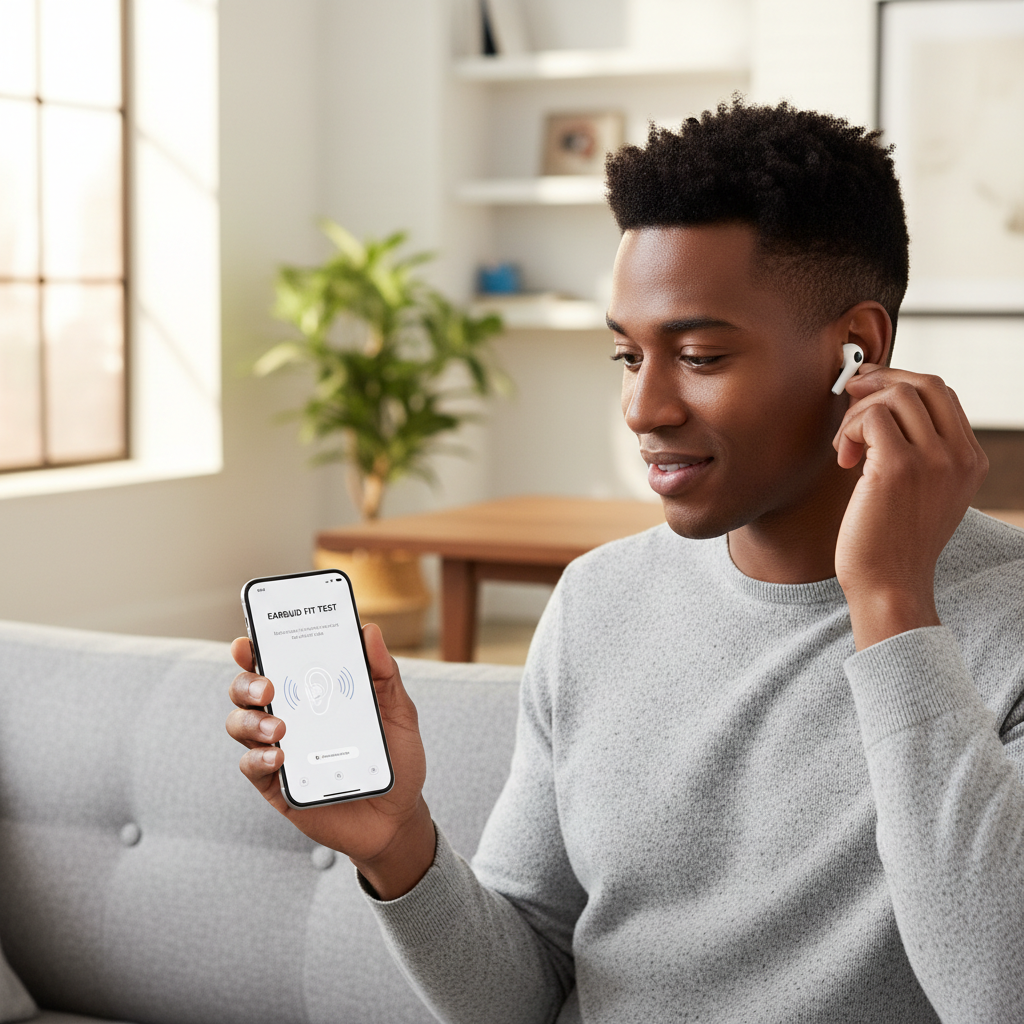
4) Use the app’s fit test and EQ
Many brands offer a seal test. If the seal is borderline, mild EQ changes can reduce the urge to push the earbuds in for bass. According to the National Institute for Occupational Safety and Health (NIOSH), safer listening starts with lower volumes, and a proper seal often helps you listen comfortably without cranking loudness.
Common mistakes that waste money (and irritate your ears)
A few missteps show up again and again when people shop for smaller ears.
- Buying based on ANC ranking alone: if the seal fails, ANC performance usually drops and you feel disappointed.
- Ignoring tip inventory: no XS tips means you may spend extra anyway, and not all nozzles accept third-party tips well.
- Over-tightening wings/hooks: “secure” should not mean constant pressure. If you feel hot spots, adjust or switch style.
- Turning volume up to “fix” thin sound: thin sound usually means a poor seal, not weak drivers.
- Assuming pain will fade: mild awareness can improve as you learn insertion, sharp pain usually means mismatch.
When to stop troubleshooting and get help
If you notice persistent ear pain, drainage, sudden hearing changes, or dizziness, it’s smarter to pause earbud use and consider talking with a clinician (often a primary care provider or an ENT). Ear canals can be sensitive, and irritation or infection is not something to “power through.”
Also, if you have a history of ear surgery, chronic ear infections, or eczema in/around the ear, fit materials and moisture can matter more, and personalized medical advice is worth it.
Conclusion: a good small-ear fit is mostly geometry, not luck
Finding the best wireless earbuds for small ears usually comes down to three things: a compact housing that doesn’t press your outer ear, tips that match your canal size (often XS), and a stable design that doesn’t rely on deep insertion. Once those boxes check out, sound quality and ANC start to shine instead of feeling like a constant compromise.
Action steps: pick two models with strong return policies, then test them with an XS/S tip mix and a short walking call. If they stay comfortable for 30–45 minutes, you’re close to your long-term pair.
FAQ
What style is best for small ears: stem or no-stem?
Either can work, but stems can help stability because the weight sits lower and may rotate less. No-stem designs can feel more compact, but only if the housing is truly small.
Do I need XS ear tips to solve small-ear fit?
Often, yes, but not always. Some people with small outer ears still use S tips if the nozzle is short and the housing doesn’t press the concha.
Are foam tips safe for all-day wear?
Many people tolerate foam well, but they can trap more moisture. If your ears get irritated easily, limit long sessions, keep tips clean, and consider asking a professional if you have recurring issues.
Why do earbuds sound tinny in my small ears?
Tinny sound usually means the seal is leaking, so bass escapes. A different tip size or shape often fixes it faster than changing earbuds.
Can active noise cancellation hurt my ears?
Some users report pressure or discomfort with ANC. If that happens, try transparency mode, lower ANC strength if the app allows, or switch to a model known for lighter pressure sensations.
How do I know if an earbud is too big before buying?
Look for included XS tips, photos showing how far the housing protrudes, and reviews that mention small ears specifically. If details are vague, prioritize retailers with easy returns.
What are the best wireless earbuds for small ears for workouts?
Models with wings/fins or “active” fit tuning tend to stay put. Still, comfort matters more than clamping force, so test during a short workout before you commit.
Want a simpler way to choose?
If you’re stuck between a few options, make a short list based on tip sizes, housing compactness, and return policy, then test fit before you judge sound. If you’d rather skip trial-and-error, ask a local audio shop or a hearing professional for fit guidance, especially when comfort issues keep coming back.